
Lingerie for pregnancy and nursing: soft, practical and pretty
Pregnancy changes the bust and ribcage, often more than once. How to choose soft maternity bras, when to buy nursing bras, and why lace and silk still have a place.
Somewhere in the first weeks, a favourite bra begins to feel different. The band seems a little firmer, the lace edge a little less forgiving, and by evening you are glad to take it off. It is one of the earliest and most ordinary signs that the body is making room for something new. Lingerie for pregnancy and nursing is not about making do. It is about comfort that changes as you change, and it can be every bit as lovely as anything else in the drawer.
What changes, and when
During pregnancy the breasts often grow and become more sensitive, frequently already in the first weeks. The ribcage can widen too, which means the band may need more room as well as the cups. Many people find they need new bras more than once over the months, and again after the birth. None of this follows a fixed timetable; every body sets its own pace.
The kindest approach is to measure again in each trimester, or whenever a bra starts to feel tight, rather than guessing. A soft tape and a few minutes in front of a mirror are enough, and it saves weeks of quiet discomfort.
It also helps to buy in small steps. Rather than a whole new drawer at once, choose two or three comfortable bras for the size you are now, and add more only when the next change comes. That way nothing sits unworn, and each new piece fits the body you actually have on the day you wear it. Keep the bras you love from before; many of them will return to the drawer later.
Choosing bras during pregnancy
A pregnancy bra should support without pressing. Tender breast tissue and a changing shape both ask for softness and adaptability, and a few features make a real difference.
- Soft cups without rigid wires, or with flexible wires that move with the body.
- Stretchy fabrics that accommodate changes in volume from week to week.
- Wide, comfortable straps that spread the weight across the shoulders.
- Extra hook columns on the band, or a small band extender, so you can let it out as the ribcage widens.
- Cotton or modal against the skin, soft and breathable when you feel warmer than usual.
- A sleep bra for gentle support at night, if you find it more comfortable.
Fit the band on the tightest hook when you buy, the opposite of the usual advice, so that there is room to loosen it later. The other signs of a good fit still apply: a level band, a centre that lies close to the body and cups that hold without cutting in.
Lingerie for pregnancy and nursing is not about making do, it is about comfort that changes as you change.
Nursing bras and how they work
A nursing bra lets you feed without undressing. Its cups open with clips at the top of the straps, designed to be undone with one hand while the other holds the baby. Common designs include the drop cup, where the cup folds down from the strap, and the cross over, where soft fabric can be moved aside. An inner sling often keeps some support even when the outer cup is open, and the cups are cut with room for nursing pads.
| Stage | What usually helps | Good to know |
|---|---|---|
| First weeks of pregnancy | Soft bras, stretchy fabrics | Sensitivity often begins early |
| Each trimester | Remeasure band and bust | The ribcage can widen as well |
| Last weeks of pregnancy | First nursing bras, flexible fit | Size often changes again when milk comes in |
| A few weeks after birth | Remeasure and add bras in the settled size | Many people buy most nursing bras now |
A general guide. Every pregnancy is different; a midwife can advise on your own situation.
Timing matters. Nursing bras are often recommended from about the last weeks of pregnancy, because size changes again when milk comes in. Buy one or two with stretch and flexible fit for those first days, then measure again a few weeks after the birth, when size tends to settle, and choose the rest then.
Briefs for the bump and after
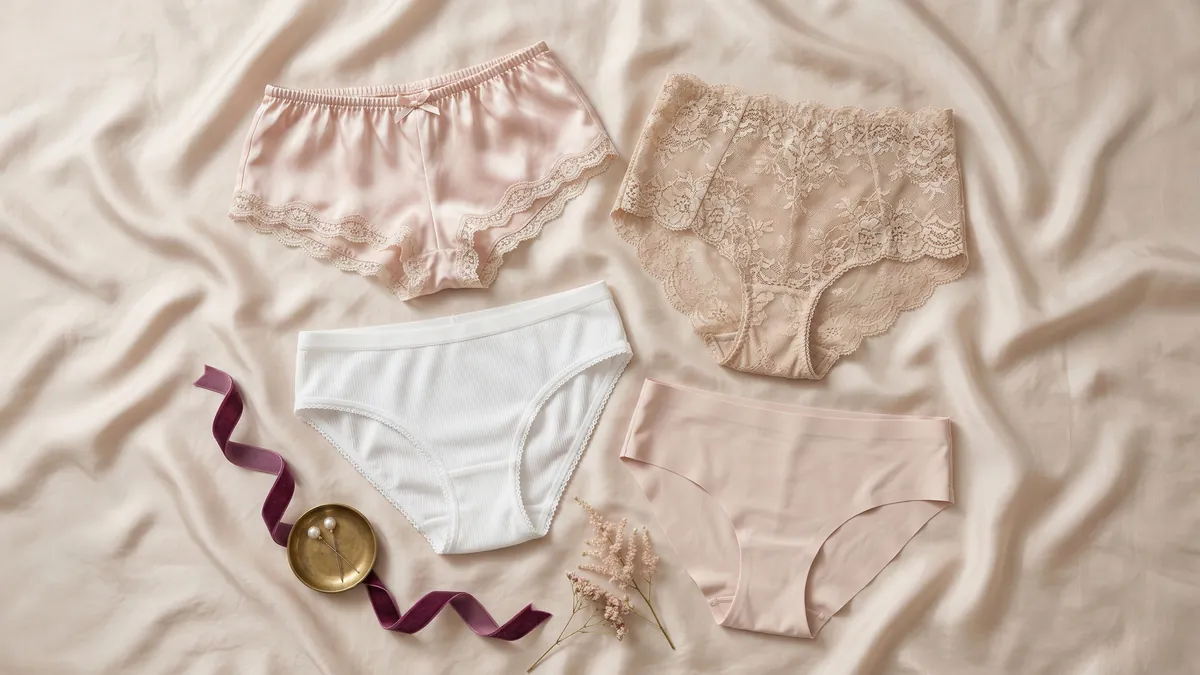
Maternity briefs come in two main cuts. Some sit below the bump, with a low, soft waistband that curves under the belly. Others rise over the bump with a wide, stretchy panel that gently covers it. Both are right; the choice depends on what feels best for you and under which clothes.
After the birth, many people reach for high waist briefs in soft cotton or modal, with a smooth waistband that does not press on the tummy. Choose a comfortable size, look for a cotton gusset and flat seams, and keep a few generous pairs ready before you need them.
Beautiful as well as practical
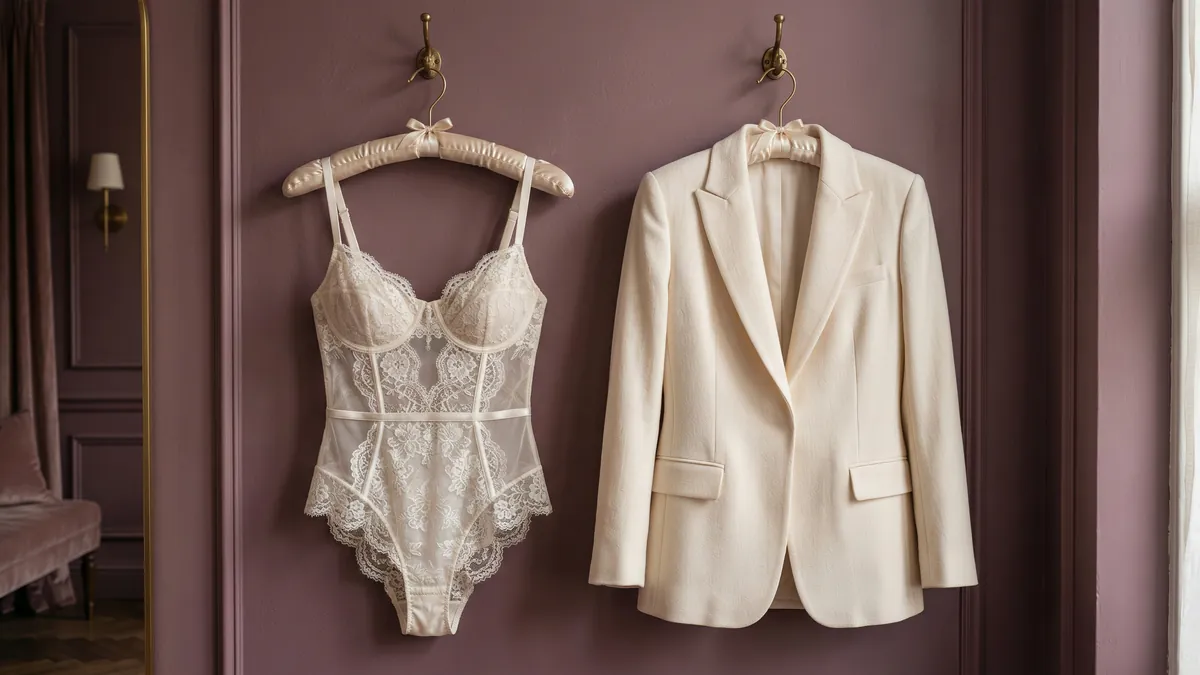
Practical does not have to mean plain. Lace trimmed maternity bras, nursing bras in soft tulle with embroidered edges, silk sleep bras and robes in cool modal all exist, and they can make these months feel celebrated rather than merely managed. A single lovely set, chosen with care, can lift an ordinary morning.
A robe with deep pockets, a soft nursing nightdress and a warm cardigan in a gentle colour also earn their place. Comfort and beauty sit together very happily here.
Care, and when to ask for advice
Wash maternity and nursing lingerie often and gently, in a mesh bag, with mild detergent, and dry it flat. Close the nursing clips before washing so they do not catch on lace. Rotating several bras gives elastic time to recover and keeps you comfortable through busy weeks.
This guide is general information, not medical advice. If you notice pain, redness, warm areas or anything that worries you, or if you simply have questions about feeding and comfort, talk to a midwife or doctor. They know your situation and can help quickly.
Questions and answers
When should I start wearing maternity bras?
Whenever your usual bras start to feel tight or uncomfortable, which for many people is already in the first weeks. Measure again each trimester, since both bust and ribcage can change.
Can I wear an underwired bra during pregnancy?
Many people prefer soft cups or flexible wires, as breast tissue changes and becomes more sensitive. If you wear wires, make sure they sit comfortably behind the tissue and never press. A midwife can advise on your own situation.
When should I buy nursing bras?
Often from about the last weeks of pregnancy, choosing one or two with stretch, because size changes again when milk comes in. Measure again a few weeks after the birth and buy the rest in the settled size.
Are there pretty nursing bras?
Yes. Lace trimmed, embroidered tulle and silk options exist alongside simple cotton ones. Look for one-hand clips and an inner sling, whatever the fabric.
Further reading in our network
- RonestaWomen’s lifestyle
Women’s lifestyle with calm ideas for everyday wellbeing, family life and confidence.
- suruyaWellness and retreats
Wellness and retreats, with gentle ideas for rest, balance and time for yourself.
Our articles are general information written with care. Sizes and conversions are guide values that differ between makers; for health questions please talk to a doctor or midwife.